Turning Down the Heat
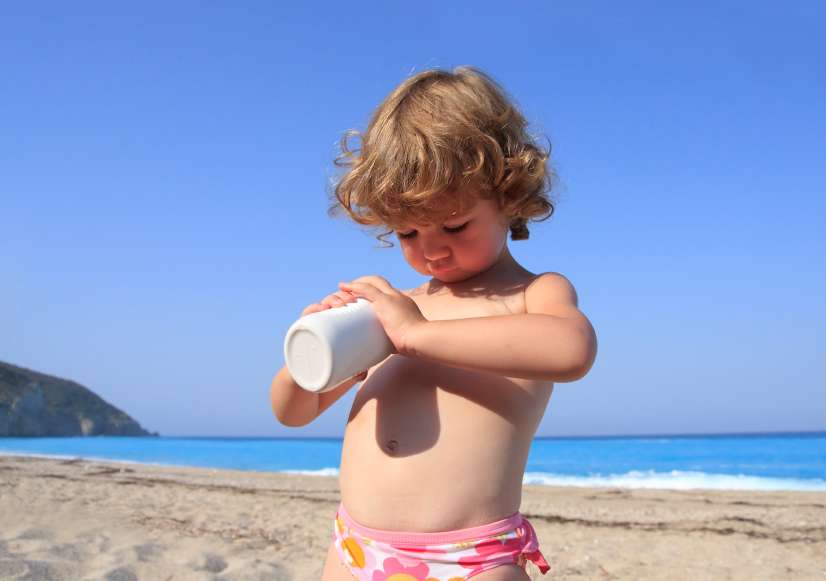
The threat of a burn is a scary proposition. Dr. Mark knows that there are many risks when choosing to drive a race car, but he is taking precautions to minimize the risk of heat and fire exposure by wearing or using the following protective equipment:
- A fire retardant racing suit, gloves, shoes and undergarments
- Having a fire suppression system and fire extinguisher within the race car
The risks of a burn from solar (sun) and thermal (heat) sources include pain and suffering, disfigurement and cancer. Prevention is key. Please read the information below to learn how you can best protect your child against the heat.
Sun Burn Prevention
Unprotected sun exposure leads to early signs of aging, sun burns and potentially cancer. Consider these tips from the American Academy of Dermatology to protect you and your family from the sun’s rays.
- Apply sunscreen when you are going to be outside, even on cloudy days, apply sunscreen to all skin that will not be covered by clothing. Reapply approximately every two hours, or after swimming or sweating. Use a broad-spectrum, water-resistant sunscreen that protects the skin against both UVA and UVB rays and that has an SPF of at least 30.
- Use one ounce of sunscreen, an amount that is about equal to the size of your palm. Thoroughly rub the product into the skin. Don’t forget the top of your feet, your neck, ears, and the top of your head.
- Seek shade. Remember that the sun’s rays are strongest between 10 a.m. and 2 p.m. If your shadow is shorter than you are, seek shade.
- Protect your skin with clothing. When going outside wear a long‐sleeved shirt, pants, a wide‐brimmed hat and sunglasses.
- Use extra caution near water, sand or snow as they reflect and intensify the damaging rays of the sun, which can increase your chances of sunburn.
- Get vitamin D safely. Eat a healthy diet that includes foods naturally rich in vitamin D, or take vitamin D supplements. Do not seek the sun.
- If you want to look tan, consider using a self-tanning product, but continue to use sunscreen with it. Don’t use tanning beds. Just like the sun, UV light from tanning beds can cause wrinkling and age spots and can lead to skin cancer.
- Check your skin for signs of skin cancer. Your birthday is a great time to check your birthday suit. Checking your skin and knowing your moles are key to detecting skin cancer in its earliest, most treatable stages.
Sun Screen Basics
Sunscreen is a helpful tool in preventing the sun’s harmful effects. It’s easy to forget some of the basic principles of using sunscreen. See these tips below or watch the video for more information.
- Choose sunscreen that has an SPF of 30 or higher, is water resistant, and provides broad-spectrum coverage, which means it protects you from UVA and UVB rays.
- Apply sunscreen generously before going outdoors. It takes approximately 15 minutes for your skin to absorb the sunscreen and protect you. If you wait until you are in the sun to apply sunscreen, your skin is unprotected and can burn.
- Use enough sunscreen. Most adults need at least one ounce of sunscreen, about the amount you can hold in your palm, to fully cover all exposed areas of your body. Rub the sunscreen thoroughly into your skin.
- Apply sunscreen to all bare skin. Remember your neck, face, ears, tops of your feet and legs. For hard‐to‐reach areas like your back, ask someone to help you or use a spray sunscreen. If you have thinning hair, either apply sunscreen to your scalp or wear a wide‐brimmed hat. To protect your lips, apply a lip balm with a SPF of at least 15./li>
- Reapply sunscreen at least every two hours to remain protected, or immediately after swimming or excessively sweating.
Scalding Burn Prevention
We all use hot water in our homes and lives on a daily basis. If you have young children in your home, it is especially important we are mindful of hot water. According to the Centers for Disease Control (CDC), younger children are more likely to sustain injuries from scald burns that are caused by hot liquids or steam, while older children are more likely to sustain injuries from flame burns that are caused by direct contact with fire.
To prevent scalding burns:
- Check water heater temperature. Set your water heater’s thermostat to 120 degrees Fahrenheit or lower. Infants who aren’t walking yet can’t get out of water that may be too hot, and maintaining a constant thermostat setting can help control the water temperature throughout your home—preventing it from getting too high.
- Cook with care. Use safe cooking practices, such as never leaving food unattended on the stove. Also, supervise or restrict children’s use of stoves, ovens, or microwaves.
- Use the back burner to prevent spills due to overturn of appliances containing hot food or liquids, when possible and/or turn pot handles away from the stove’s edge. All appliance cords need to be kept coiled and away from counter edges.
- Use oven mitts or potholders when moving hot food from ovens, microwave ovens, or stovetops. Never use wet oven mitts or potholders as they can cause scald burns.
- Replace old or worn oven mitts.
- Open heated food containers slowly away from the face to avoid steam burns. Hot steam escaping from the container or food can cause burns.
- Stir and test before eating. Foods heat unevenly in microwave ovens.
Sun Burn Prevention Resources
Source:
usfa.fema.gov